Keupstraße300 m
50.9657° N · 7.0083° E© OpenStreetMap contributors

Keupstraße lies in Cologne-Mülheim, on the right bank of the Rhine, and is a little over 400 metres long. Since the 1970s migrant shops, restaurants and workshops have shaped the street; authorities and media long described it as a “Brennpunkt” (trouble spot) and a “Parallelgesellschaft” (parallel society).

On 9 June 2004 the NSU detonated a nail bomb in front of a hairdresser’s on Keupstraße; 22 people were injured. The investigations turned on the street itself: for years those affected were treated as suspects, and a racist motive was ruled out. Since the NSU exposed itself in 2011, remembrance has been contested on Keupstraße: at the Birlikte festival, which began on the tenth anniversary in 2014, and over a memorial that has still not been built.

Çağan Varol has studied the problematisation of Keupstraße since the recruitment stop of 1973, historically, genealogically and ethnographically: how did a street become a “problem area”? What part did social work, security agencies and urban development play? And how did entrepreneurial spatial and urban strategies materialise, from upgrading and displacement to the festivalisation of remembrance? He defended his dissertation on this at Hochschule München in June 2026; in December 2026 “Rassifizierte Topographien” is due from transcript.

The book

Book

  • Due December 2026
  • transcript Verlag, Bielefeld
  • Urban Studies series

Rassifizierte Topographien. Über die Problematisierung von Migration im städtischen Raum

Traces how a migrant shopping street in Cologne has been stigmatised since the recruitment stop of 1973, ethnographically and genealogically, following the official and media readings of “Brennpunkte” and “Parallelgesellschaften” and the counter-narratives of the street’s migrant residents. Using the 2004 attack by a right-wing terrorist group and the investigations that followed, it shows how social work, security agencies and urban development took part in producing a racialised topography. Appears in the Urban Studies series; according to the publisher due on 28 December 2026, about 470 pages.
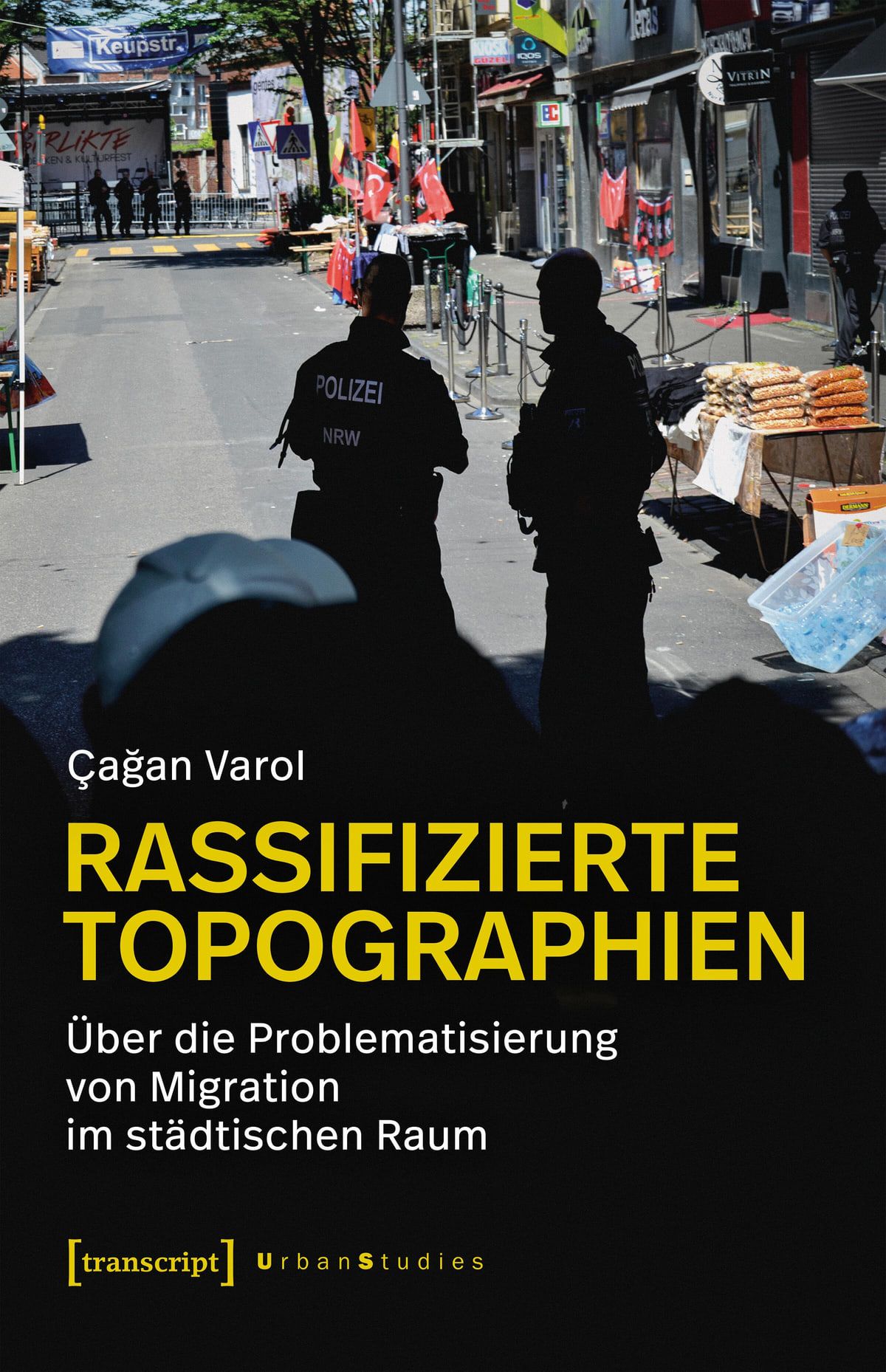
Book cover: Rassifizierte Topographien. Über die Problematisierung von Migration im städtischen Raum

Pictures

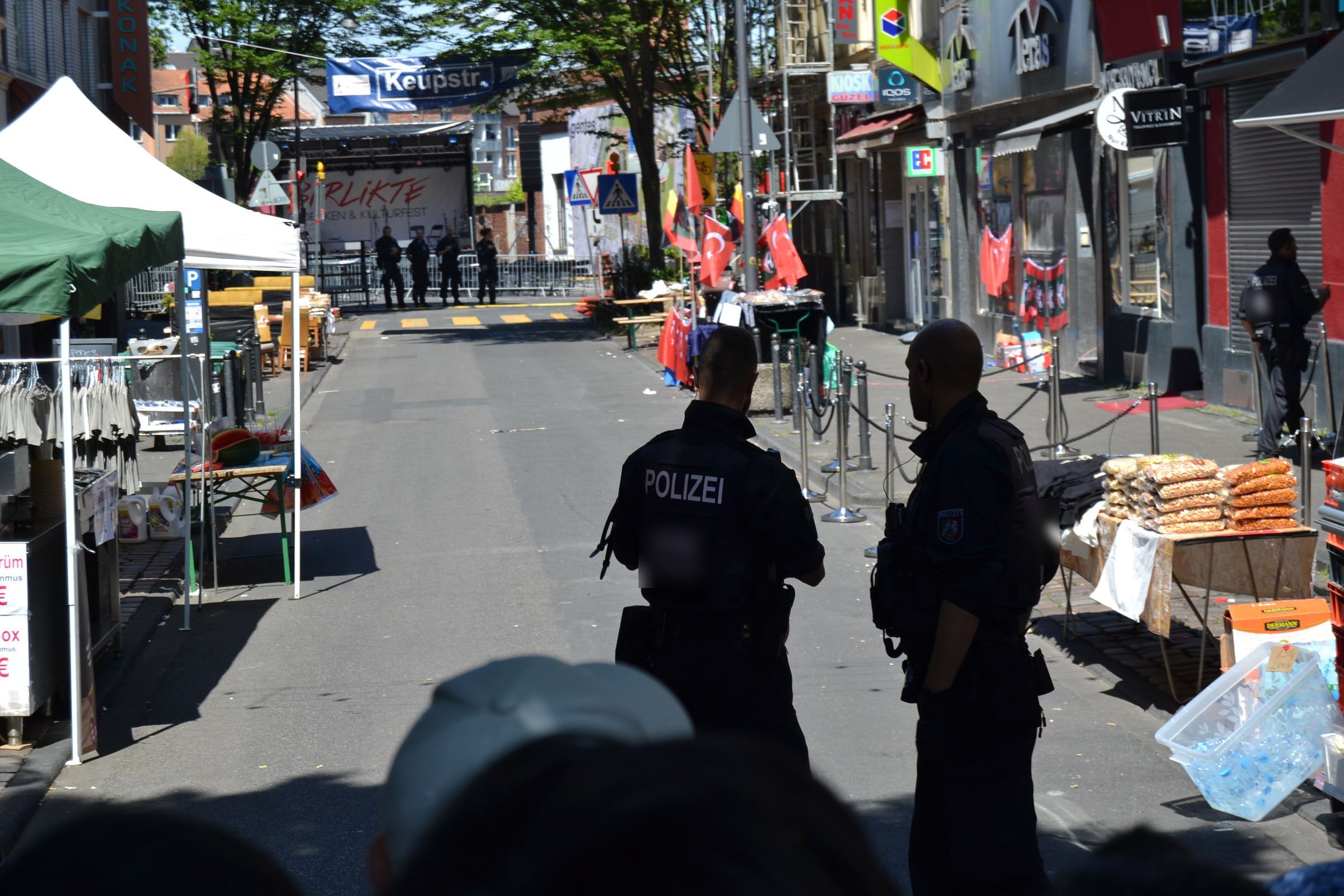
Keupstraße on the Birlikte days in June 2024, a property developer’s billboard and a working map from the research.

  • Looking down Keupstraße during the Birlikte festival: market stalls, Turkish flags, a banner reading “Keupstr.” across the street, the Birlikte stage beyond; in the foreground two North Rhine-Westphalia police officers with their backs to the camera.
    Birlikte, the remembrance and culture festival on Keupstraße, June 2024, twenty years after the attack: police in front of the stage.Photo: Çağan Varol
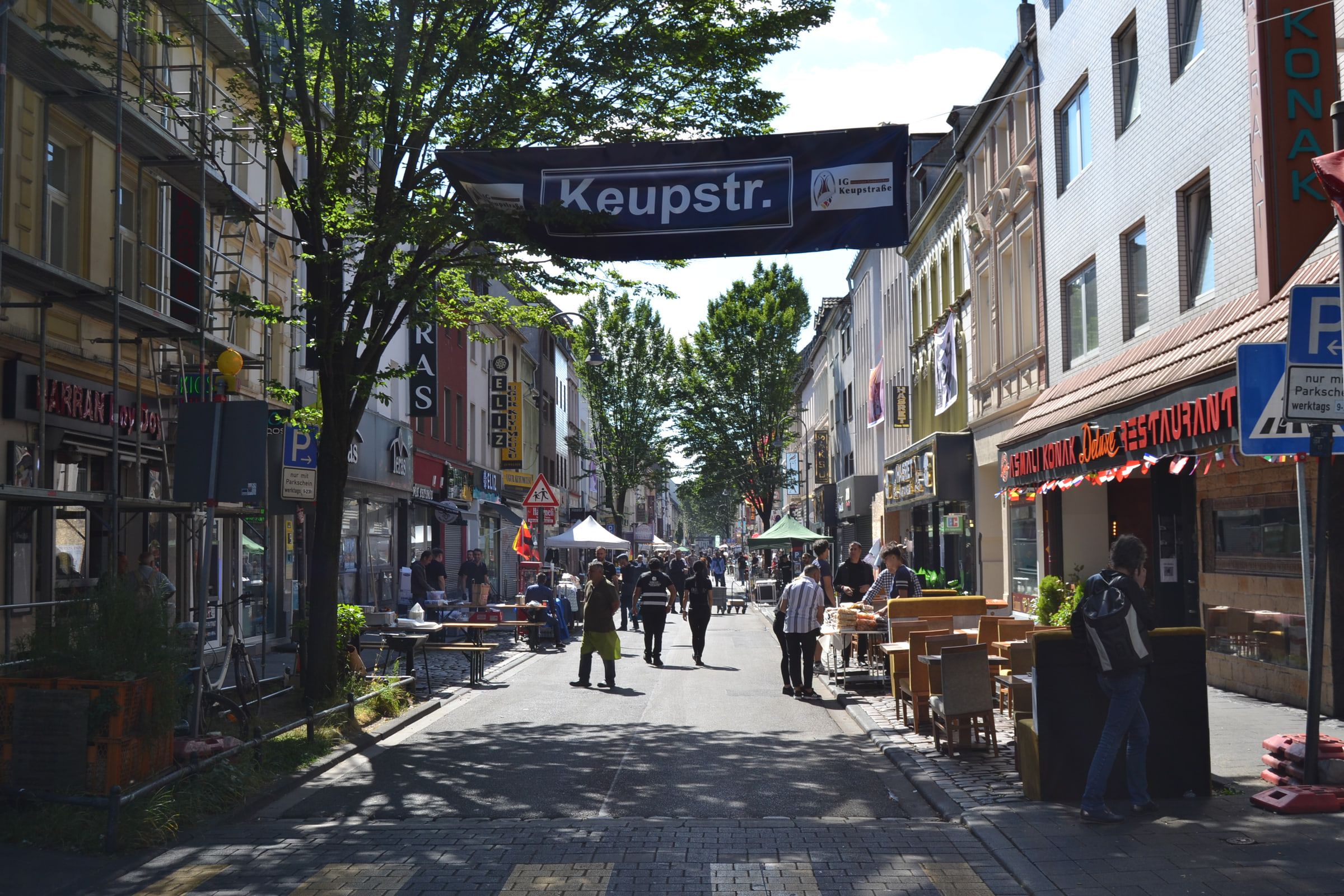
  • Keupstraße as a festival street: a banner “Keupstr.” by the IG Keupstraße hangs between the houses, below it tables, tents and people on the closed street, a scaffolded house on the left.
    Keupstraße on the Birlikte weekend, June 2024.Photo: Çağan Varol
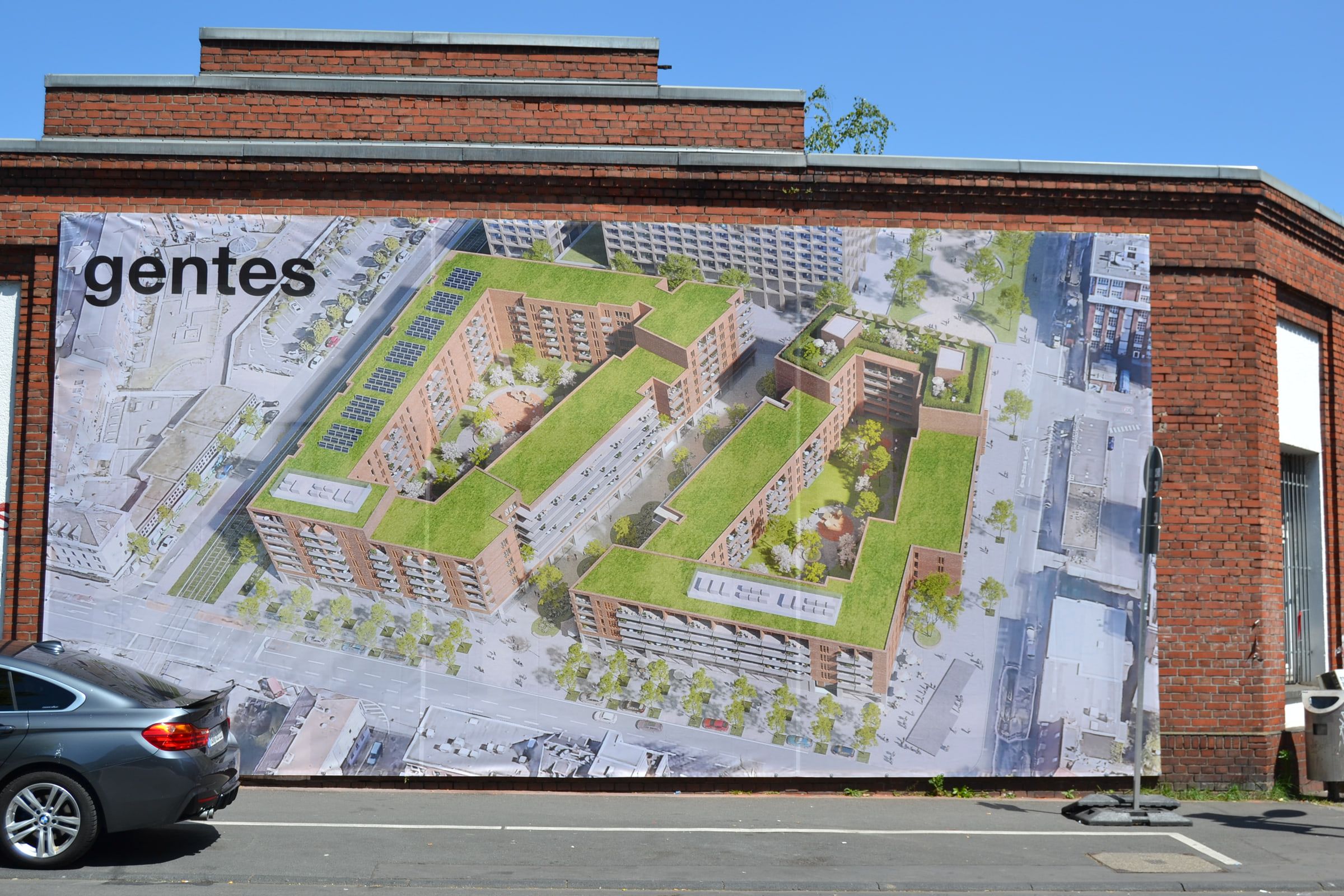
  • A large construction billboard with the word “gentes” on a brick wall: an aerial rendering of a planned housing quarter with green roofs; a parked car in front.
    Billboard of the property firm Gentes in Cologne-Mülheim, June 2024. The 2025 open letter “Erinnern jetzt” for the Keupstraße memorial is addressed to Gentes as well as to the city.Photo: Çağan Varol
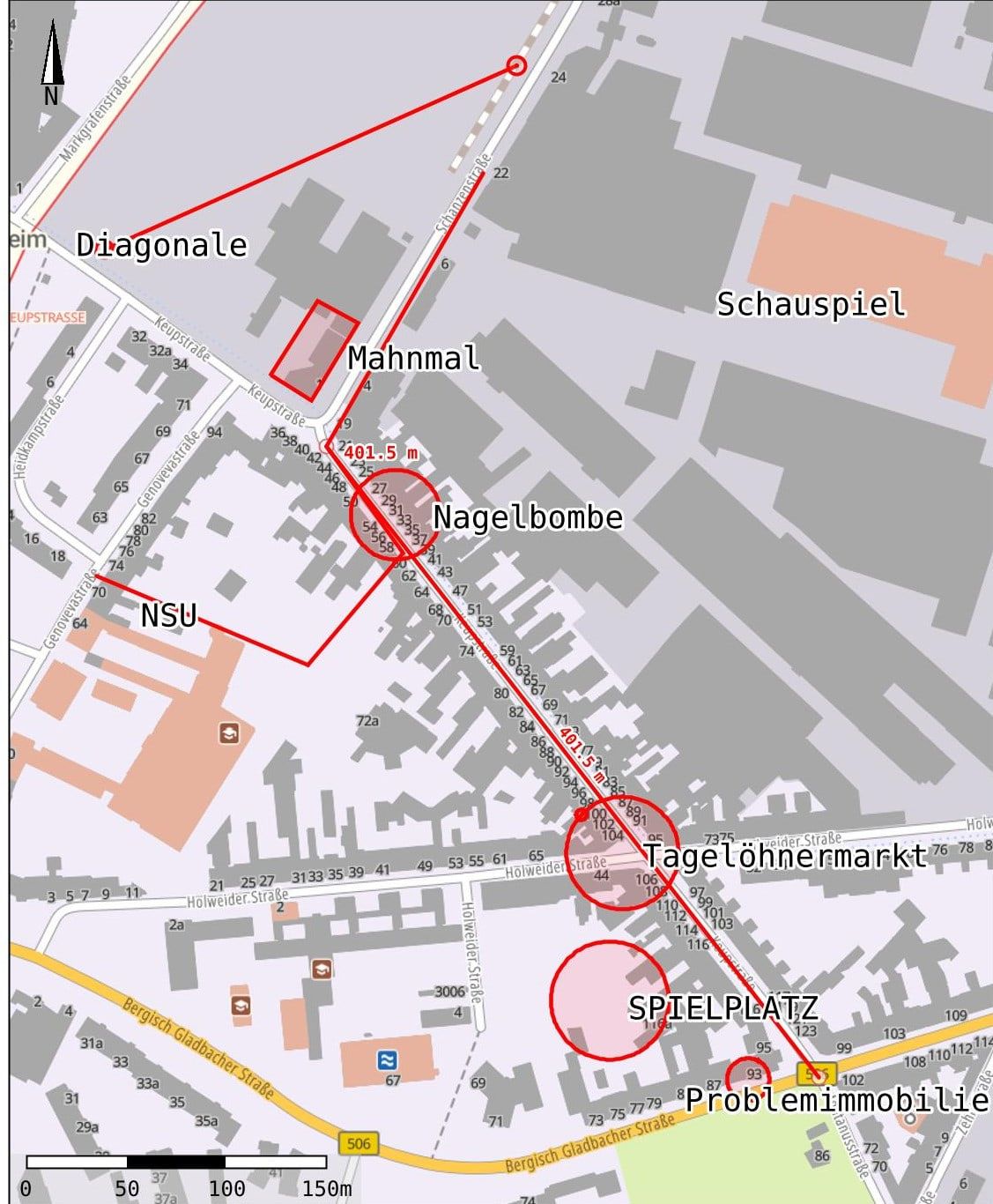
  • Map of Keupstraße and its surroundings with red marks and labels: Mahnmal (memorial), Nagelbombe (nail bomb), NSU, Schauspiel (theatre), Tagelöhnermarkt (day-labourers’ market), Spielplatz (playground), Problemimmobilie (problem property) and Diagonale; a red line measures the street at 401.5 m. Scale bar 0 to 150 m.
    The social space of Keupstraße in a working map from the research: the site of the nail bomb, the memorial site, the day-labourers’ market, Schauspiel Köln at the Carlswerk and a “Problemimmobilie” (problem property); the street itself measures a little over 400 metres. Base map: © OpenStreetMap contributors.

Publications

All publications